
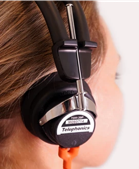
Efficient, practical training in conducting basic hearing tests on adults in the occupational and medical settings.
Upcoming Dates
Description
The Intermediate Audiometry Workshop is a skills-focused, two-day program that provides students with the basic knowledge and skills required to conduct routine hearing tests, assesses results and safely conduct ear inspections in adults.
2-day workshop approved by NSW Coal Services for Order 43 Health Surveillance.
The Intermediate Audiometry Workshop provides fundamental training in the skills and knowledge required to conduct routine occupational hearing assessments on adults.
The course includes lectures and hands-on training, offering students the chance to enhance testing skills and follow recognised audiometry protocols.
Course content has been developed from over 20 years of teaching and clinical practice and draws on guidance material from the following key reference documents:
- Australian Standard/New Zealand Standard 1269.4
- NAL Report 80 Criteria for assessing hearing conservation audiograms
- WorkCover WA Noise Induced Hearing Loss Approved Procedures
Conducting a hearing test can be perceived as simply “pressing buttons” however there is more involved in test accuracy than meets the eye. During this course we assist students to develop best practice skills and review techniques to improve accuracy.
The Intermediate Audiometry Workshop is taught to small-medium sized groups. This allows our teachers to provide one-on-one, hands-on practical tuition and individually tailor each student’s development of audiometry skills.
With a limited course duration, however, we can only provide an introduction to the many facets of conducting accurate audiometry and provide limited supervised practice. The content does not meet the requirements of Australian Standard AS/NZS1269.4 or occupational audiometry legislation (our 4-day Occupational Audiometry Course meets Standards and legislative requirements).
This 2-day program runs from 8.30am – 4.30pm.
There are no formal pre-requisites for attending this workshop.
Students attending the full two days of this workshop will receive an Attendance Certificate from The Hearing Company, Australia’s leading occupational audiometry training provider.
The limited, 2-day program doesn’t provide students with sufficient training to be fully compliant with the specifications described in Australian Standard 1269.4 or Work Health & Safety Regulations.
For reference, The Hearing Company’s comprehensive 4-day Occupational Audiometry Course trains students to the level described in Australian Standard AS/NZS1269.4 and state/territory legislation.
Course material is drawn from the following key reference documents:
- Australian Standard/New Zealand Standard 1269.4
- NAL Report 80 Criteria for assessing hearing conservation audiograms
- WorkCover WA Noise Induced Hearing Loss Approved Procedures
Course topics
- Conducting hearing tests on adults following the Australian Standard technique
- Managing the effects of background noise on test accuracy
- Conducting otoscopy (ear inspections) safely and effectively
- Applying referral criteria
- Describing audiograms and presenting test results to workers
- Basic ear anatomy, physiology and common ear conditions in adults
- Effects of noise and other hazards on the human ear
- Basic case history
- Introduction to workplace audiometry protocols
- Requirements for NSW Coal Mining Order 43 health assessments
- Tips for managing challenging testing situations
- Detecting and managing equipment faults
The limited, 2-day program doesn’t provide students with sufficient training to be fully compliant with the specifications described in Australian Standard 1269.4 or Work Health & Safety Regulations.
For reference, The Hearing Company’s comprehensive 4-day Occupational Audiometry Course trains students to the level described in Australian Standard AS/NZS1269.4 and state/territory legislation.